Four paths. One household at a time.
Each path is self-contained. Start with what feels most relevant to your home right now.
Composting Fundamentals
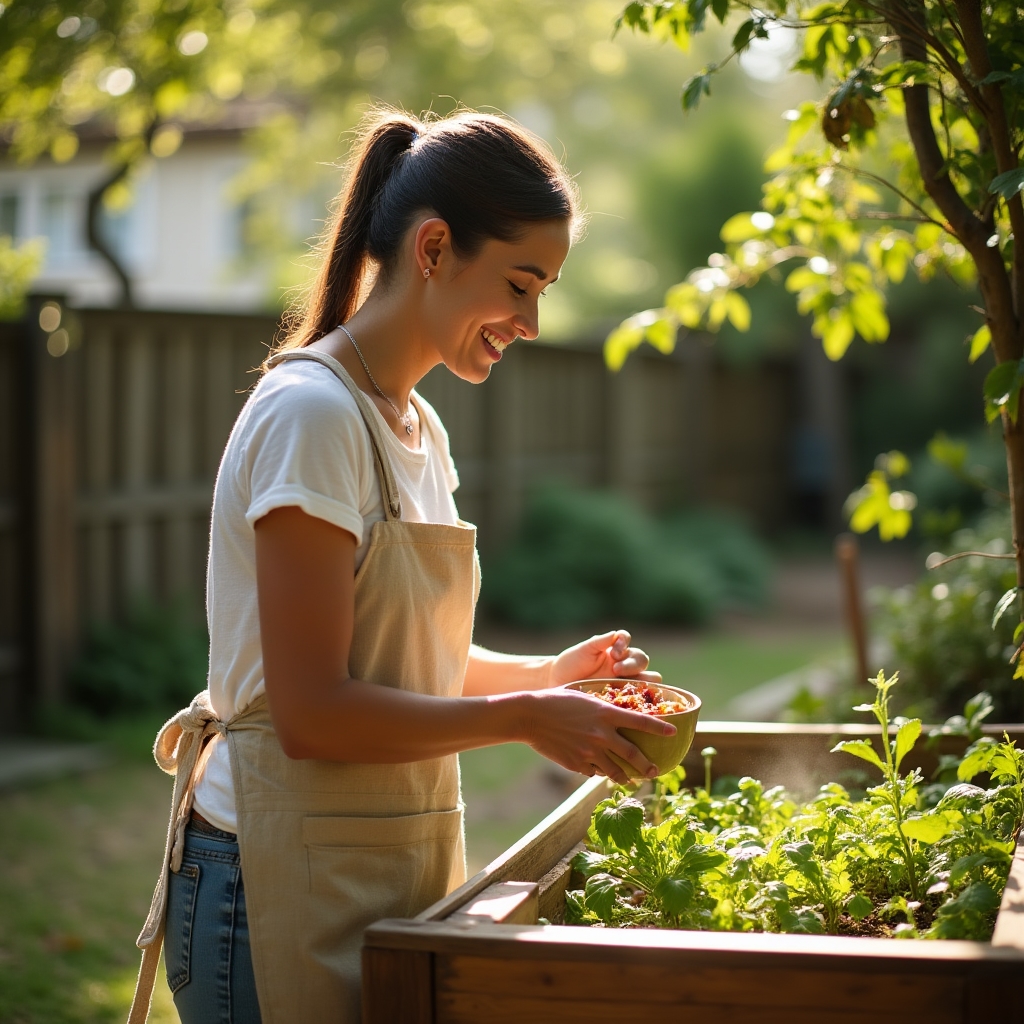
Composting is one of the highest-impact changes a household can make. It diverts organic material from landfills and creates something genuinely useful. The challenge is that most composting guides assume you have a large yard and unlimited patience.
This path covers every setup type — balcony bins, indoor worm composting, countertop collection systems, and traditional outdoor piles. Each module addresses the specific challenges of that method.
What's covered:
- Setting up your first collection system
- What to compost and what to leave out
- Managing smell, pests, and moisture
- Apartment-friendly composting options
- Using finished compost in your garden or potted plants
- Winter composting in cold climates
Plastic-Free Household
Eliminating plastic entirely isn't realistic for most households. This path doesn't ask for that. It focuses on the high-frequency, high-volume plastic uses that are actually swappable without significant disruption to your daily life.
We work room by room. Kitchen first — where the most single-use plastic accumulates. Then bathroom, laundry, and cleaning. Each section includes specific product alternatives available in US stores and online.
What's covered:
- Auditing your current plastic use by room
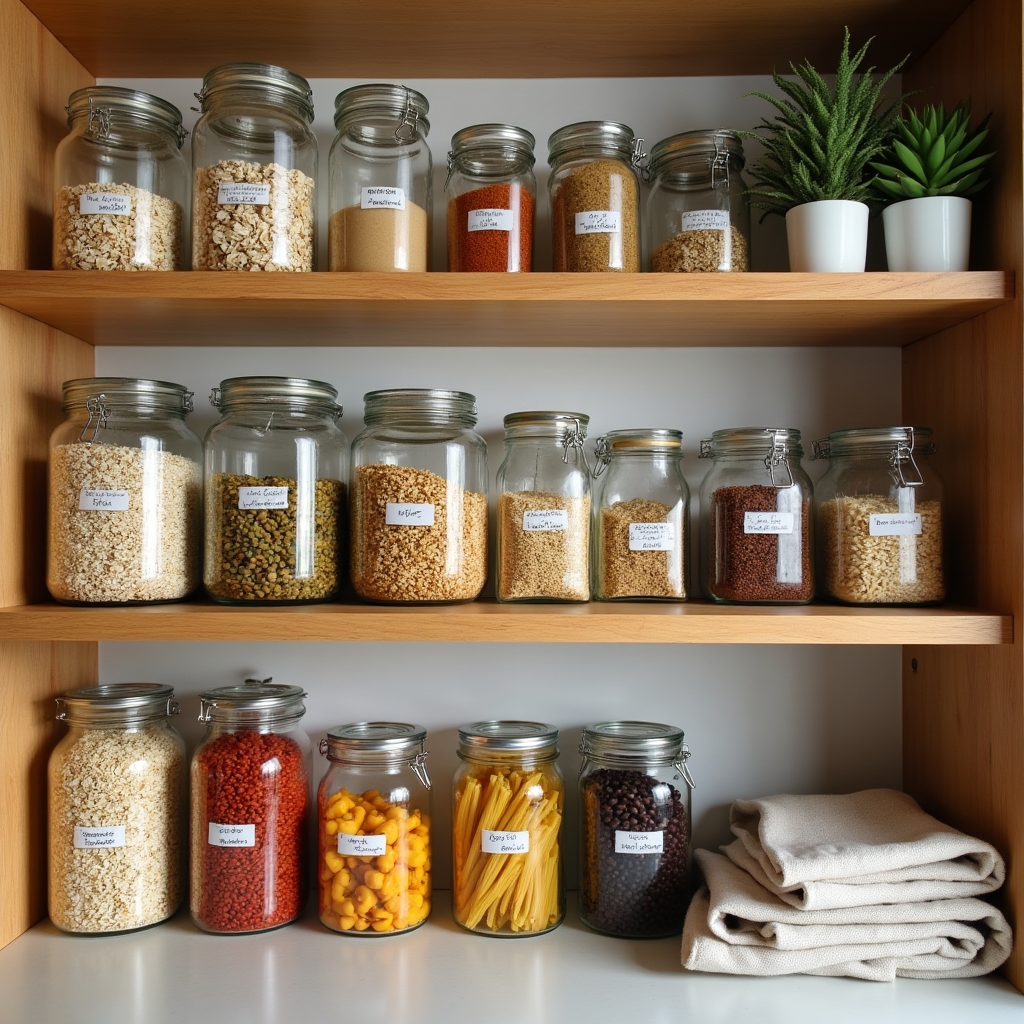
- Food storage without plastic bags or wrap
- Bathroom swap priorities and alternatives
- Cleaning products and packaging reduction
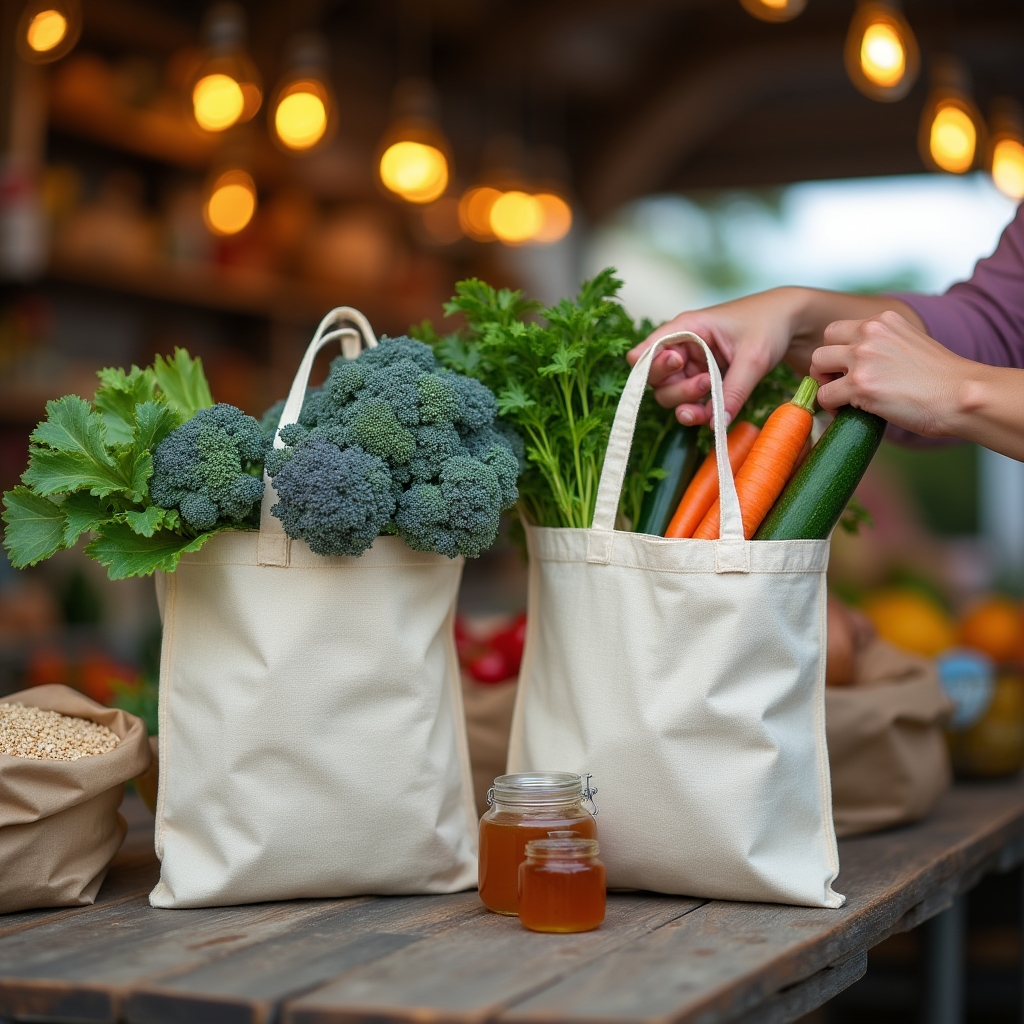
- Grocery shopping without plastic produce bags
Conscious Consumption
Buying less is often more effective than buying better. This path examines the decision-making process around purchases — food, clothing, household goods, and appliances — and gives you a framework for thinking through each category.
This isn't about deprivation. It's about developing a clearer sense of what you actually need versus what marketing has convinced you that you need. That distinction, made consistently, has a significant effect on what enters and eventually leaves your home.
What's covered:
- Building a personal buying decision framework
- Reading food labels and packaging claims
- Clothing consumption and the textile waste problem
- Secondhand buying as a practical strategy
- Evaluating "eco-friendly" product claims honestly
- Grocery shopping patterns that reduce food waste
Sustainable Home Routines
Systems beat willpower. This path is about building daily and weekly habits that make sustainable choices the default rather than the exception. It covers cooking, cleaning, shopping cadence, and waste sorting.
The modules are structured around when things happen in your week — morning routines, grocery day, cleaning day, and end-of-week review. The goal is to embed better choices into existing structure rather than requiring new ones.
What's covered:
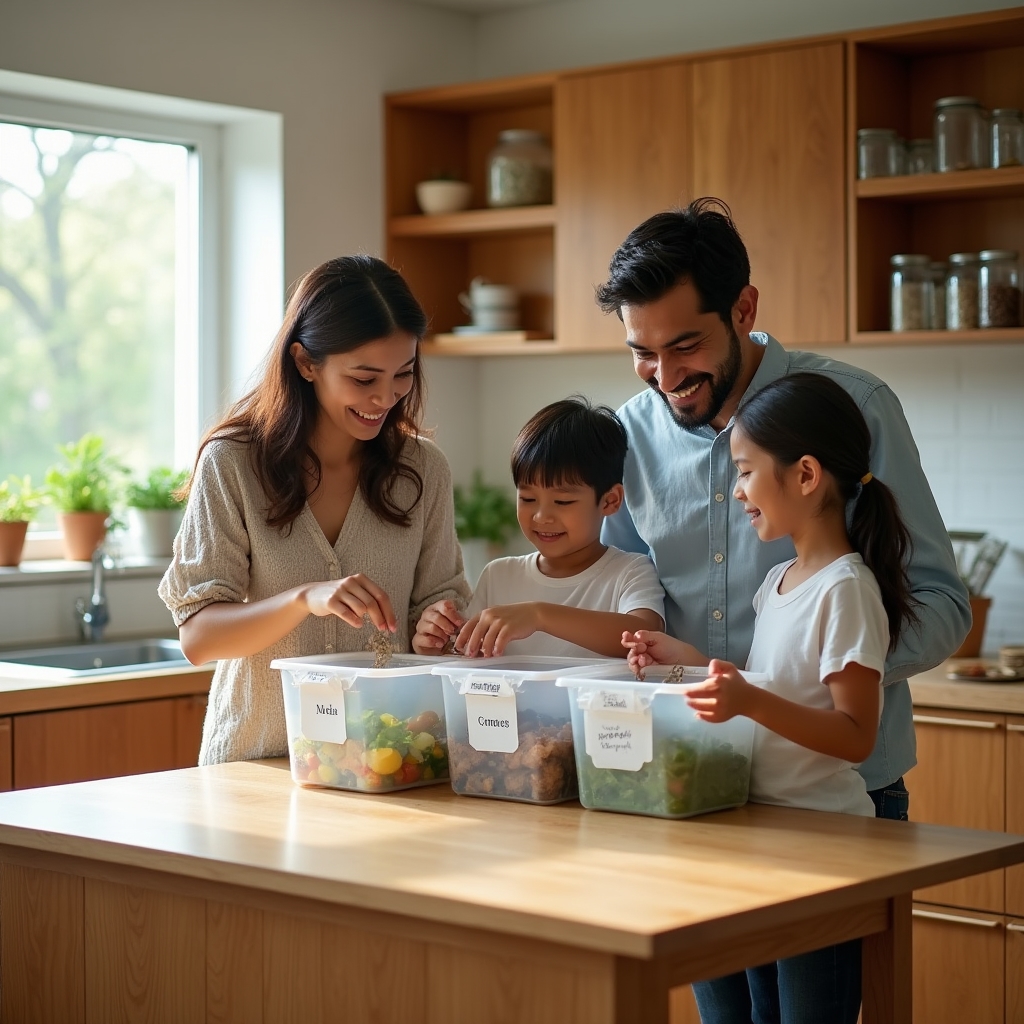
- Designing your kitchen waste sorting system
- Meal planning to reduce food waste
- Sustainable cleaning routines and product rotation
- Weekly waste audit — what to track and why
- Getting the whole household involved
Simple to get started.
Choose a path
Pick the area that feels most relevant to your home right now. You can always come back to the others.
Work through the modules
Each module is self-contained. Complete them in order or jump to the section most relevant to your situation.
Apply one change
After each module, there's a clear suggested next action. One change at a time is the approach that works.
Build from there
Once a change becomes a habit, move to the next module. Gradual, consistent progress is the goal.